Why Isn't This Wound Healing? Signs It's Time for Wound Care
Kimberly East, FNP-C
Wound Care Specialist
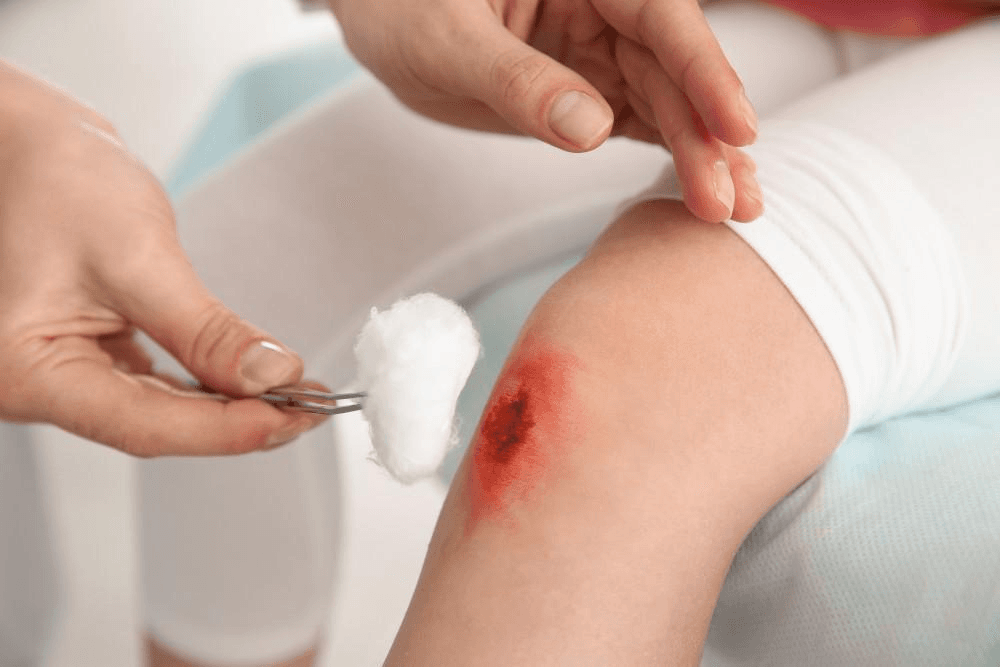
A scrape on the shin from loading hay. A blister from new boots. A small sore on the heel that showed up after a hospital stay. Most of these close up on their own in a couple of weeks. But some don't — and the ones that don't tend to follow a pattern we see often here in Abilene: the wound looks about the same in week four as it did in week one, and the person living with it keeps hoping next week will be different.
If that sounds familiar, here's what's worth knowing about stalled wounds and when it makes sense to have someone take a closer look.
What normal healing usually looks like
Healing isn't a straight line, but it does have a direction. In the first few days, a wound is often red, tender, and may weep a little clear or pinkish fluid. Over the following week or two, the edges typically start pulling inward, the base turns pink or beefy red, and drainage slows down. A smaller wound may scab and close; a deeper one fills in gradually from the bottom up.
The key word is **change**. A healing wound looks different week to week. You should be able to say, "It's smaller than it was," or "It isn't draining like it used to."
Signs a wound may be stalled
Many providers start asking questions when a wound hasn't meaningfully improved in a few weeks, or hasn't closed in about a month to six weeks. Along with time, these are the things worth paying attention to:
- **No measurable progress.** Same size, same depth, same look for weeks.
- **Increasing drainage**, or drainage that changes color or starts to smell.
- **Growing redness or warmth** spreading out from the edges into the surrounding skin.
- **New or worsening pain**, especially pain that wakes you at night.
- **Dark, thick, or leathery tissue** in or around the wound.
- **Rolled, white, or hardened edges** that look sealed off rather than creeping inward.
- **Fever, chills, or just feeling unwell** alongside a wound.
- **Rising blood sugars** in someone with diabetes, which sometimes shows up before the wound looks worse.
Any of these are reasons to be seen — not reasons to panic. Most stalled wounds have a findable cause, and causes can usually be addressed.
Why wounds get stuck
A wound is a window into what's happening in the rest of the body. When healing stops, it's usually because something upstream is in the way.
Blood flow
Tissue needs oxygen and nutrients to rebuild. When circulation to the legs and feet is reduced, even a small wound can sit open for months. Swelling works the other direction — fluid buildup in the lower legs puts pressure on tiny vessels and keeps new tissue from taking hold. Legs that swell by evening, skin that's shiny or discolored around the ankles, or cramping in the calves when you walk are all worth mentioning.
Pressure and repeated injury
This is the most common hidden culprit. A wound on the bottom of the foot cannot heal if it's walked on all day. A sore on the tailbone or heel cannot heal if the person sits or lies in the same position for hours. Taking the pressure off — with offloading footwear, a boot, cushioning, or a repositioning schedule — is often the single thing that finally moves a wound forward.
Diabetes and nerve changes
Reduced sensation means an injury can go unnoticed for days. Many people with diabetic foot wounds tell us they never felt the original blister or puncture. That's exactly why daily foot checks matter so much, including the bottoms, between the toes, and the backs of the heels.
Infection, nutrition, and other factors
Bacteria in the wound bed, low protein intake, dehydration, smoking, and certain medical conditions or medications can all slow things down. Our West Texas summers don't help either — dry heat, dust, and long days outdoors make it easy for a small wound to get irritated or contaminated before anyone notices.
What a wound care visit involves
It's usually less involved than people expect. Expect measuring and photographing the wound to track progress objectively, a look at circulation and sensation, questions about pressure, footwear, swelling, nutrition, and other health conditions, cleaning and debridement of dead tissue if needed, and a dressing chosen for how much drainage the wound makes. Then a plan you can actually carry out at home, with follow-up so changes happen early rather than after another lost month.
If a wound on you or someone you care for in Abilene or anywhere in the Big Country hasn't changed in weeks, we're glad to take a look and talk through options. Nothing here is medical advice for your specific situation, and no one should change a medication or treatment on their own — but a conversation is a good place to start.
Need Help With a Wound?
If you or a family member has a wound that isn't healing properly, our team is here to help. Contact us today to schedule an evaluation.
Call (325) 231-4667