Understanding Wound Dressings: Which Type Is Right for Your Wound?
Kimberly East, FNP-C
Wound Care Specialist
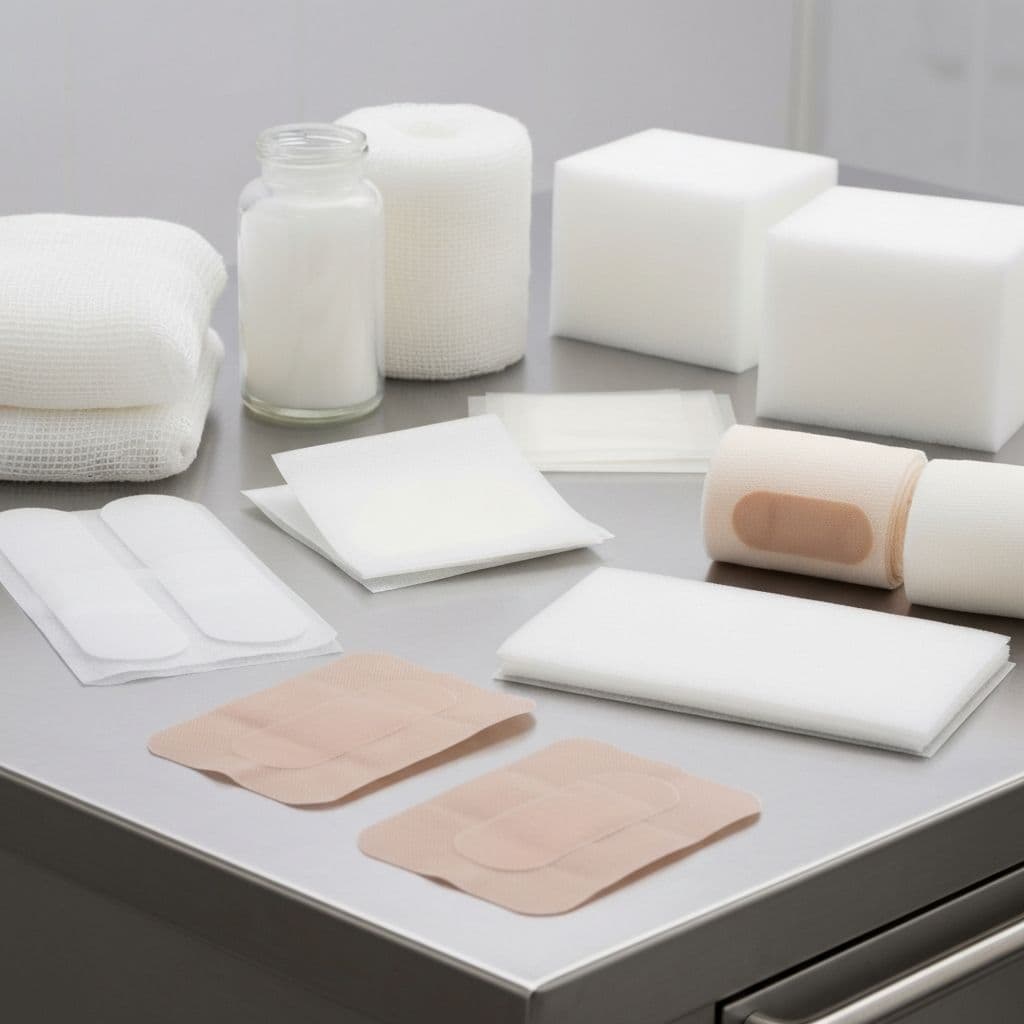
When it comes to wound care, the dressing you choose matters more than you might think. Modern wound care has moved far beyond simple gauze and tape, with specialized dressings designed to create optimal healing conditions for different wound types.
At Abilene Wound Care, selecting the right dressing is a key part of our treatment approach. Here's what you should know about wound dressings and how they work.
Why Wound Dressings Matter
The right wound dressing does more than just cover a wound. A proper dressing:
- Maintains a moist healing environment
- Protects from bacteria and contamination
- Absorbs excess drainage
- Reduces pain during dressing changes
- Promotes faster healing
- Minimizes scarring
Research has shown that wounds heal faster in a controlled moist environment compared to wounds left to dry out. This is why modern wound care focuses on moisture balance.
Common Types of Wound Dressings
Gauze Dressings
Best for: Wounds with heavy drainage, packing deep wounds, securing other dressings
Gauze is the traditional wound covering and still has important uses:
- Inexpensive and widely available
- Good for absorbing heavy drainage
- Can be used wet-to-dry for debridement
- Useful for packing wound cavities
Limitations: Can stick to wound beds, requires frequent changing, doesn't maintain moisture well on its own.
Transparent Film Dressings
Best for: Superficial wounds, IV sites, protecting healing wounds, securing other dressings
These thin, adhesive sheets are:
- Waterproof and bacteria-resistant
- Allow you to see the wound without removing the dressing
- Flexible and comfortable
- Good for low-drainage wounds
Limitations: Not absorbent, not suitable for draining wounds, can cause skin tears on fragile skin if removed improperly.
Hydrocolloid Dressings
Best for: Partial-thickness wounds, pressure ulcers (stages 1-2), minor burns, under compression wraps
These dressings contain gel-forming agents that:
- Create a moist healing environment
- Can stay in place for several days
- Are waterproof for showering
- Promote autolytic debridement (natural cleaning)
- Provide cushioning
Limitations: Not for infected wounds or heavily draining wounds, can leave residue on surrounding skin.
Foam Dressings
Best for: Moderate to heavily draining wounds, pressure ulcers, diabetic foot ulcers, under compression
Foam dressings are highly absorbent and:
- Come in various thicknesses for different drainage levels
- Provide cushioning and protection
- Maintain moisture balance
- Can stay in place for several days
- Are comfortable and conformable
Limitations: May dry out low-drainage wounds, adhesive borders can cause skin irritation in some patients.
Alginate Dressings
Best for: Heavily draining wounds, deep wounds, wounds with tunneling
Made from seaweed fibers, alginates:
- Are highly absorbent
- Form a gel when they contact wound fluid
- Can be used to pack deep wounds
- Promote autolytic debridement
- Have some hemostatic properties (help stop bleeding)
Limitations: Require a secondary dressing, must not be used on dry wounds, need adequate drainage to function properly.
Hydrogel Dressings
Best for: Dry wounds, wounds needing debridement, painful wounds, burns
Available as sheets, gels, or impregnated gauze, hydrogels:
- Donate moisture to dry wounds
- Soothe and cool painful wounds
- Promote autolytic debridement
- Are easy to apply and remove
Limitations: Not for heavily draining wounds, may require frequent changing, can macerate (over-moisten) surrounding skin.
Antimicrobial Dressings
Best for: Infected wounds, wounds at high risk for infection, chronic non-healing wounds
These dressings contain agents that fight bacteria:
- Silver dressings (silver ions kill bacteria)
- Honey dressings (medical-grade honey has natural antimicrobial properties)
- Iodine dressings (controlled release of iodine)
- PHMB dressings (antiseptic agent)
Limitations: May not be needed for clean wounds, some can cause sensitivity, typically more expensive.
How to Choose the Right Dressing
Selecting the appropriate dressing depends on several factors:
1. Amount of Drainage
- **Heavy drainage:** Alginates, foams, or gauze
- **Moderate drainage:** Foams or hydrocolloids
- **Light or no drainage:** Hydrogels, films, or hydrocolloids
2. Wound Depth
- **Shallow wounds:** Films, hydrocolloids, or foam sheets
- **Deep wounds:** Alginates, packing gauze, or cavity foams
3. Infection Status
- **Infected wounds:** Antimicrobial dressings, frequent dressing changes
- **Clean wounds:** Standard moisture-balancing dressings
4. Wound Location
- **High-friction areas:** Dressings with strong adhesive borders or foam padding
- **Difficult contours:** Conformable dressings like alginates or thin foams
- **Under compression:** Non-adhesive foams or alginates
5. Patient Factors
- Skin sensitivity or allergies
- Frequency of dressing changes needed
- Who will be changing the dressing
- Cost and insurance coverage
When Dressings Aren't Enough
While proper dressing selection is important, some wounds need more than the right bandage:
- Wounds with dead tissue may need debridement
- Underlying conditions (diabetes, circulation problems) must be addressed
- Nutrition plays a crucial role in healing
- Some wounds benefit from advanced therapies
If your wound isn't improving despite proper dressing care, it may be time to see a wound care specialist.
Tips for Dressing Changes at Home
If you're managing wound care at home:
- Wash hands thoroughly before and after
- Follow your healthcare provider's instructions
- Change dressings on schedule — not too often, not too rarely
- Note any changes in the wound appearance or drainage
- Keep the area around the wound clean and dry
- Don't touch the part of the dressing that contacts the wound
- Dispose of old dressings properly
The Abilene Wound Care Approach
At Abilene Wound Care, we don't take a one-size-fits-all approach. Every wound is unique, and treatment plans are tailored to:
- The specific wound type and characteristics
- The patient's overall health
- Lifestyle and practical considerations
- Evidence-based best practices
We regularly reassess wounds and adjust dressing choices as wounds progress through the healing stages.
Questions About Your Wound?
Choosing the right wound dressing can feel overwhelming. If you're dealing with a wound that isn't healing, or if you're unsure whether you're using the right approach, we're here to help.
Contact Abilene Wound Care for expert wound assessment and personalized treatment planning. We'll work with you to find the best path to healing.
Abilene Wound Care is proudly part of Abilene Primary Care, serving the Abilene community with specialized wound treatment and comprehensive healthcare services.
Need Help With a Wound?
If you or a family member has a wound that isn't healing properly, our team is here to help. Contact us today to schedule an evaluation.
Call (325) 231-4667