Is Your Wound Healing Normally? A Simple Guide for Families
Kimberly East, FNP-C
Wound Care Specialist
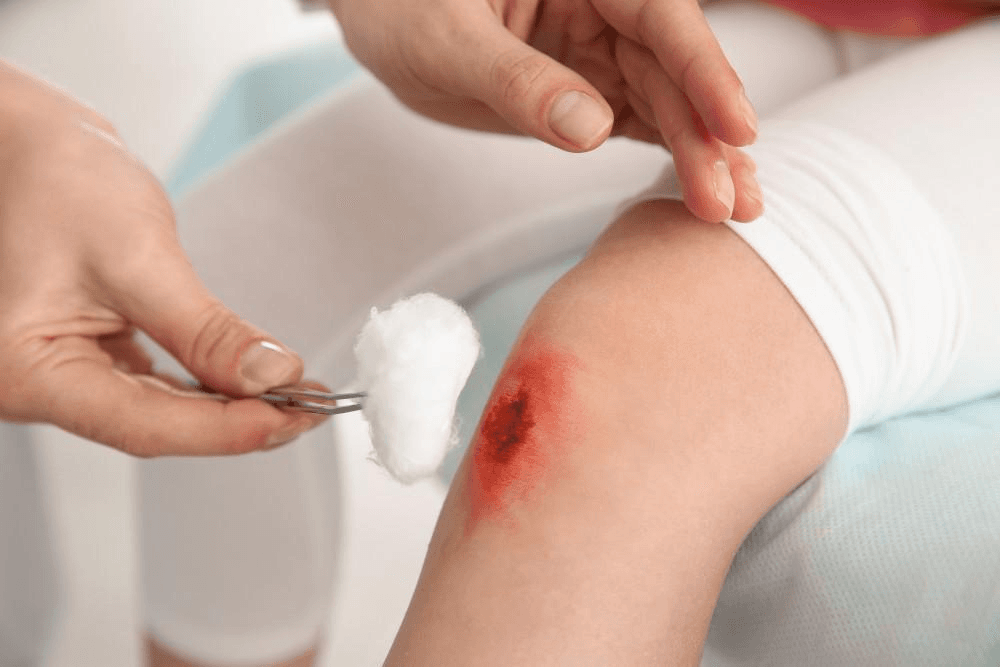
Scrapes, cuts, and minor injuries are a part of everyday life — especially for active kids and busy families. Most wounds heal on their own with basic care, but it's normal to wonder: "Is this healing the way it should?"
Understanding how wounds heal can help you feel confident caring for yourself or your child at home — and recognize when it's time to see your healthcare provider.
The 4 Normal Stages of Wound Healing
Stage 1: Stopping the Bleeding (Hemostasis)
This happens right after the injury.
What you might notice: - Bleeding slows and stops - A clot forms - The area may look red and slightly swollen
This is your body's natural "seal" to protect against infection.
Stage 2: Cleaning and Protecting (Inflammation)
This stage usually lasts a few days.
What you might notice: - Mild redness around the wound - Slight warmth - Swelling - Clear fluid or a small amount of drainage
This is normal. Your immune system is sending cells to clean the area and prevent infection.
Important: Redness that spreads, worsening pain, or pus is NOT normal (see infection signs below).
Stage 3: Building New Skin (Proliferation)
Now your body gets to work rebuilding.
What you might notice: - Pink or reddish tissue forming - The wound getting smaller - A scab forming - Mild itching
New tissue and tiny blood vessels are forming to close the wound.
Stage 4: Strengthening (Maturation)
This final stage can last weeks to months.
What you might notice: - A scar forming - Skin becoming smoother - Color fading from red to pale
The skin becomes stronger, though healed skin may never be quite as strong as before.
Signs a Wound May Be Infected
Contact your healthcare provider if you notice:
- Increasing redness or warmth
- Swelling that worsens instead of improves
- Thick yellow, green, or foul-smelling drainage
- Fever
- Red streaks spreading from the wound
- Increasing pain
- The wound isn't improving after several days
Early treatment prevents complications and helps wounds heal faster.
How to Care for Minor Wounds at Home
Most small cuts and scrapes can be safely treated at home.
**Step 1: Clean the wound** - Rinse gently with clean water - Mild soap can be used on surrounding skin - Avoid harsh chemicals like hydrogen peroxide regularly (they can slow healing)
**Step 2: Stop the bleeding** - Apply gentle pressure with clean gauze - Elevate if possible
**Step 3: Protect the wound** - Apply a thin layer of petroleum jelly or antibiotic ointment - Cover with a clean bandage - Change dressing daily (or sooner if dirty/wet)
Step 4: Keep it slightly moist
Modern wound care shows wounds heal faster when not allowed to dry out completely.
When to See Your Family Practice Provider
Seek medical care if:
- The wound is deep or edges are gaping
- You can see fat or tissue
- Bleeding won't stop after 10 minutes of pressure
- The injury was caused by an animal bite
- The wound contains dirt or debris you can't remove
- You haven't had a tetanus shot in 5–10 years
- The wound is on the face, hands, or joints
- You have diabetes or poor circulation
- Healing seems slow
When in doubt — it's always okay to get it checked.
Special Considerations for Children
Kids heal quickly, but they are more likely to:
- Pick at scabs
- Re-injure the area
- Get dirt in wounds
Keep wounds clean, covered, and remind children not to scratch. Watch closely for infection since kids may not explain symptoms clearly.
The Bottom Line
Most wounds heal smoothly with proper care. Mild redness, scabbing, and itching are part of the normal process.
But if something doesn't seem right, your family healthcare provider is here to help.
Prompt treatment can: - Prevent infection - Speed healing - Reduce scarring - Give peace of mind
Need a Wound Checked?
If you or your child has a wound that isn't healing properly, shows signs of infection, or causes concern, schedule an appointment with our office.
We're here to keep your family healthy — from everyday scrapes to more complex care. Abilene Wound Care is proudly part of Abilene Primary Care, serving the Abilene community with comprehensive healthcare services.
Need Help With a Wound?
If you or a family member has a wound that isn't healing properly, our team is here to help. Contact us today to schedule an evaluation.
Call (325) 231-4667