Diabetic Foot Care: Preventing Wounds Before They Start

Kimberly East, FNP-C
Wound Care Specialist
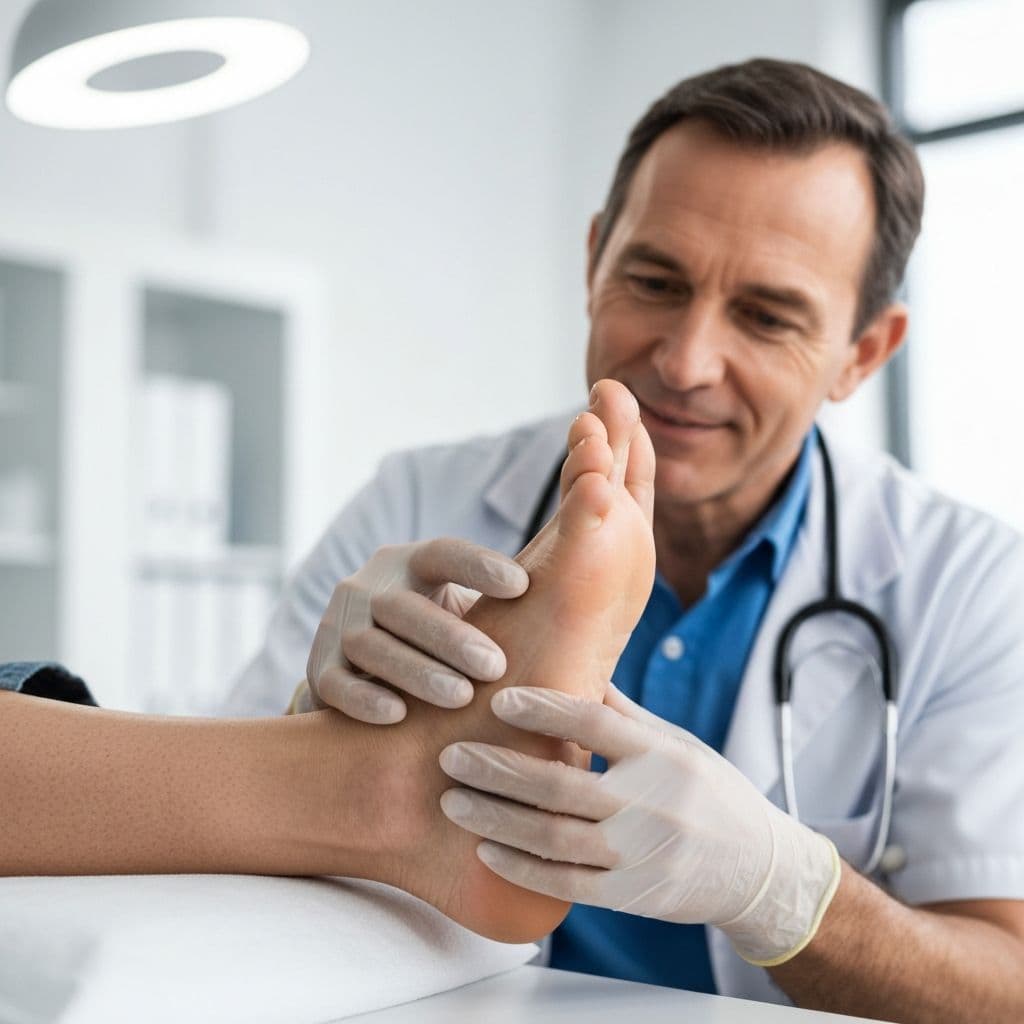
Diabetes affects millions of Americans, and one of the most serious complications is diabetic foot disease. In fact, diabetic foot ulcers are the leading cause of non-traumatic lower limb amputations in the United States.
The good news? Many diabetic foot wounds are preventable with proper daily care and regular check-ups. At Abilene Wound Care, we believe prevention is the best medicine.
Why Are Diabetic Feet at Risk?
Diabetes can affect your feet in two important ways:
Nerve Damage (Diabetic Neuropathy)
High blood sugar levels over time can damage the nerves in your feet. This means you may not feel:
- Small cuts or blisters
- Hot or cold temperatures
- Pain from ill-fitting shoes
- Objects in your shoes
When you can't feel an injury, you may not treat it promptly — allowing a small problem to become a serious wound.
Poor Circulation (Peripheral Arterial Disease)
Diabetes can also reduce blood flow to your feet. Good blood flow is essential for:
- Delivering oxygen and nutrients to tissues
- Fighting infection
- Healing wounds
Without adequate circulation, even minor injuries can take much longer to heal — or may not heal at all without medical intervention.
Daily Foot Care Routine for Diabetics
Following a consistent foot care routine can dramatically reduce your risk of complications.
1. Inspect Your Feet Every Day
Check the tops, bottoms, sides, and between your toes. Look for:
- Cuts, scrapes, or blisters
- Redness or swelling
- Calluses or corns
- Ingrown toenails
- Changes in skin color or temperature
- Dry, cracked skin
Tip: Use a mirror or ask a family member to help if you have trouble seeing the bottoms of your feet.
2. Wash and Dry Thoroughly
- Use lukewarm (not hot) water
- Gently wash with mild soap
- Dry completely, especially between toes
- Moisture between toes can lead to fungal infections
3. Moisturize — But Not Between Toes
- Apply lotion to prevent dry, cracked skin
- Avoid applying between toes where moisture can collect
- Cracked skin creates entry points for bacteria
4. Trim Toenails Carefully
- Cut straight across, not curved at corners
- File sharp edges gently
- Don't cut too short
- Consider having a podiatrist trim your nails if you have vision problems or neuropathy
5. Wear Proper Footwear
- Always wear shoes — even indoors
- Choose shoes that fit well with room for toes
- Avoid pointed toes and high heels
- Break in new shoes gradually
- Check inside shoes for objects before putting them on
- Wear clean, dry socks without seams
Warning Signs That Need Immediate Attention
Contact your healthcare provider right away if you notice:
- Any open wound or sore on your foot
- Redness, warmth, or swelling that doesn't improve
- Drainage or pus from a wound
- Black or discolored skin
- Fever along with foot symptoms
- Persistent pain or numbness
- Foul odor from your feet
**Do not wait** to see if it gets better. Early treatment of diabetic foot wounds significantly improves outcomes and reduces the risk of complications.
What to Avoid
Certain practices can increase your risk of foot problems:
- Walking barefoot — even at home
- Using heating pads or hot water bottles on feet
- Soaking feet for long periods
- Using over-the-counter corn or callus removers
- Smoking (reduces circulation)
- Tight socks or stockings that restrict blood flow
- Ignoring small injuries
The Importance of Regular Check-Ups
Even if your feet look and feel fine, regular professional examinations are essential:
- Your healthcare provider can detect problems you might miss
- Nerve function can be tested
- Blood flow can be assessed
- Proper foot care education can be reinforced
The American Diabetes Association recommends a comprehensive foot exam at least once a year — more often if you have a history of foot problems.
Blood Sugar Control Matters
One of the best things you can do for your feet is maintain good blood sugar control. High blood sugar:
- Damages nerves and blood vessels
- Impairs immune function
- Slows wound healing
Work with your healthcare team to keep your A1C, blood pressure, and cholesterol at target levels.
When to Seek Specialized Wound Care
If you develop a diabetic foot wound, specialized wound care can make a significant difference in healing outcomes. Our team at Abilene Wound Care provides:
- Thorough wound assessment
- Advanced wound dressings
- Debridement when needed
- Offloading techniques to reduce pressure
- Coordination with your primary care provider and specialists
- Patient education for ongoing care
Take Action Today
Diabetic foot care isn't complicated, but it does require consistency. By making foot checks part of your daily routine and seeking prompt care for any concerns, you can protect your mobility and quality of life.
If you have diabetes and are concerned about your foot health, or if you have a wound that isn't healing, contact Abilene Wound Care today. We're here to help you stay on your feet — healthy and active.
Abilene Wound Care is proudly part of Abilene Primary Care, providing comprehensive healthcare services to the Abilene community.
Need Help With a Wound?
If you or a family member has a wound that isn't healing properly, our team is here to help. Contact us today to schedule an evaluation.
Call (325) 231-4667